
Request a move quote
Last updated: July 2026
Most UK professionals moving to Singapore have done their research on the lifestyle, the heat, the efficiency, the food, and the school options. What they haven’t always thought through carefully is the timing of the removal.
Sea freight from the UK to Singapore takes 6–9 weeks for a full container. If you wait until your Employment Pass is confirmed before booking the shipment, your belongings will arrive 6–9 weeks after you do. That means setting up a home in a new country, starting a new job, and managing family life without your furniture, your children’s toys, or your kitchen for nearly two months.
The solution is simple once you know it: ship as soon as the EP application is submitted. This guide explains the timing in detail, along with the customs process, Singapore visa routes, and what delivery looks like at your condo or apartment in Singapore.



Sea freight is the standard method for UK-to-Singapore household moves. Your goods travel in a container from the UK, typically transiting through major hub ports before arrival at Singapore’s PSA port.
Full container load (FCL): Transit time 6–9 weeks from collection to port arrival. The container is dedicated to your move – sealed from the UK to Singapore with no additional handling. The right choice for 2-bedroom households and above, or for anyone who wants maximum predictability on transit time.
Groupage (shared container, LCL): Transit time 9–14 weeks. Your goods share container space with other customers’ shipments. Cost-effective for smaller volumes but involves additional handling at consolidation and deconsolidation stages.
Air freight: Transit time 7–14 days. Significantly higher cost per kilogram. Used for priority items (a child’s favourite belongings, work equipment, essential kitchen items) that need to arrive before the sea freight does.

This is the question most people searching for “furniture removals to Singapore” or “removals to Singapore from UK” actually want answered, so here it is directly – along with what actually drives the price on this specific route.
| Shipping method | Typical volume | Cost from | Transit time |
|---|---|---|---|
| Groupage (shared container) | Studio / 1-bedroom | approx. £1,250 | 9–14 weeks |
| Groupage (shared container) | 2-bedroom | approx. £2,400–£3,200 | 9–14 weeks |
| Full container load (FCL) | 3-bedroom | approx. £5,600–£8,000 | 6–9 weeks |
| Full container load (FCL) | 4+ bedroom | approx. £8,000+ | 6–9 weeks |
| Air freight | Small, time-critical volume | approx. £800, rising with weight | 7–14 days |
Groupage (shared container): From approx. £1,250 for a studio or one-bedroom volume of furniture and belongings, rising with volume. Your goods share container space with other customers’ shipments, which keeps the cost down but means the container only departs once it’s full – typically 9–14 weeks door-to-door. Groupage is the option most smaller moves and part-load shipments to Singapore use.
Full container load (FCL): From approx. £5,600 for a three-bedroom household, rising toward £8,000 or more for larger households, depending on volume and whether you need a 20ft or 40ft container. Transit is typically 6–9 weeks – faster than groupage because your goods aren’t waiting on anyone else’s shipment to fill the container.
Air freight: Realistically sensible only for a small, specific volume – documents, essential work equipment, a few suitcases of items you need in the first few weeks – rather than full household furniture. Costs start from approx. £800 for a small shipment and rise significantly with weight; per-kilogram air freight to Singapore runs several times the cost of sea freight.
What actually drives your cost on this route: Two things move the price on a Singapore move more than most other destinations. First, volume – obviously – but second, and less obviously, building access at delivery. Singapore condominiums (where most UK expats live) require advance loading bay booking and use of a designated service lift, and some buildings restrict delivery to weekday business hours only. A move to a building with straightforward ground-level or lift access costs less to deliver than one requiring an early-morning loading bay slot and a service lift booking – a cost factor that’s specific to Singapore’s building stock and rarely appears on a generic UK removals price list.
Why a survey matters more than the figures above: The ranges in the table are a starting point for budgeting, not a number to book against. Your move manager arranges a professional survey of your specific belongings, which produces a fixed, written figure that accounts for your actual volume, packing service level, and the access requirements at your destination building – so there are no surprises once the container is already at sea.
This is the most practically important section of this guide for most UK movers.
The standard pattern without planning:
Result: You spend your first 6–9 weeks in Singapore, likely the most disorienting and demanding period of an international relocation, without your home around you.
The planned approach:
The key insight: EP approval typically takes 3–8 weeks. Sea freight typically takes 6–9 weeks. The timelines overlap, if you ship at the time of application, goods arrive approximately when you are settling in, not weeks after.
Your move manager will advise on the specific timing window based on your EP application date and your planned arrival. This is one of the first things to discuss at the survey.
Singapore is known for efficient customs processing. Personal effects and household goods imported by Employment Pass holders are generally not subject to import duty. But this does not mean they do not need to be declared.
All goods entering Singapore must be declared to Singapore Customs on a Customs permit. Your removal company’s in-country partner files the permit on your behalf, either a Customs In-Payment (CIP) permit (for dutiable goods) or a Customs permit for non-dutiable personal effects.
What is duty-free: Personal effects and household goods for an EP holder taking up residence, furniture, clothing, books, kitchen equipment, personal electronics.
What is dutiable:
The declaration requirement matters: Singapore Customs has zero tolerance for undeclared dutiable goods discovered during inspection. Undeclared alcohol or tobacco is treated seriously under Singapore law. The correct approach is to declare everything accurately and let the in-country partner advise on what is dutiable.
A full, accurate packing list is essential before shipment. Your move manager will confirm the format required.
Your shipment arrives at PSA Singapore, one of the world’s busiest container ports, on Singapore’s southern coast. Port clearance and delivery are managed by your in-country partner. The process is efficient, Singapore Customs is well-resourced and processing timelines are predictable on a properly documented move.
Port to delivery timeline: After customs clearance (typically 3–5 business days), your goods are transported to your address in Singapore. The island is compact, delivery from the port to any residential area in Singapore is usually within half a day.
Condo delivery logistics: The majority of UK expats in Singapore live in private condominiums. Condominiums have strict loading bay protocols, deliveries require advance booking of the loading bay, must use the designated service lift, and may have restricted delivery windows (often weekday business hours only). Some developments charge a moving deposit.
Your in-country partner coordinates loading bay booking and is familiar with Singapore’s delivery requirements. Inform your move manager of your building name and address as soon as you have your accommodation confirmed, early coordination prevents delivery delays.
HDB flats: UK expats on Employment Pass status cannot purchase HDB (Housing Development Board) public housing. If renting a private property that happens to be an HDB resale flat, technically possible in certain circumstances, confirm this with your conveyancing lawyer. Most UK expats rent or purchase private condominiums.
Employment Pass (EP): The most common route for UK professionals. Issued to foreign nationals in managerial, executive, or specialist roles earning above Singapore’s minimum qualifying salary. As of 2026, the general minimum is S$5,000/month, with higher thresholds for older applicants and certain sectors (financial services, tech). Your employer applies for the EP before you arrive.
S Pass: For mid-level skilled workers. Lower salary threshold than the EP. Quota-restricted, employers have a limit on the number of S Pass holders they can employ.
Personalised Employment Pass (PEP): For high-earning foreign professionals. Not tied to a single employer, you can change jobs without re-applying for the pass. Application requirements are stricter than the standard EP.
Dependant’s Pass (DP): For spouses and children of EP or PEP holders. Dependants on a DP can apply for a Letter of Consent to work in Singapore.
Long-Term Visit Pass (LTVP): For family members who do not qualify for a Dependant’s Pass, partners in long-term relationships, parents.
Visa applications are managed by your employer’s HR team for EP and S Pass. Personalised passes require direct application to the Ministry of Manpower (MOM).
We always recommend speaking directly to the relevant embassy for the most accurate and up to date moving advice:
Singapore is compact, 48km east to west at the widest point. Most UK expats live in the central or fringe-central areas, where international schools, F&B, and city connections are most accessible.
Orchard and Holland Village: Traditional expat heartland. Close to international schools (Singapore American School, Tanglin Trust School) and retail. Holland Village in particular has a long-established British community.
Novena and Newton: Good city connectivity, lower density than Orchard. Popular with younger professionals and families who want proximity to the CBD without central Orchard prices.
Tiong Bahru and Tanjong Pagar: Increasingly popular with UK professionals in tech and finance. Walkable, well-served by MRT, good food scene. More compact living, suitable for couples or small families.
Marine Parade and the East Coast: Popular with families who prioritise outdoor space, cycling, and beach access. Further from the CBD (20–30 minutes by MRT) but a calmer environment.
Sentosa Cove: Waterfront residential area on Sentosa Island. Villas and waterfront apartments. One of the only areas where foreigners can purchase landed property in Singapore.





If you’re moving to Singapore, it’s very likely you’ll need to exchange a significant amount of currency. Many people lose out by using their bank, assuming it’s the only option. However, there are specialist currency exchange providers that offer more competitive rates and can help you save thousands. To find out how to make your money go further during your move, speak to one of our move managers, click here, or give us a call: +44 20 7097 5335.
We always advise taking out move protection liability cover with us on every move. Although we like to think we’re the best in the industry, the odd accident can occasionally happen. For added peace of mind, make sure to speak to one of our move managers about this.
Singapore’s Certificate of Entitlement (COE) system makes vehicle ownership extremely expensive. The COE, a government permit required to own a vehicle in Singapore, is auctioned by category and can cost S$80,000–S$150,000 (approximately £45,000–£85,000) on top of the vehicle purchase price. Total cost of ownership for a mid-size car in Singapore typically exceeds £100,000.
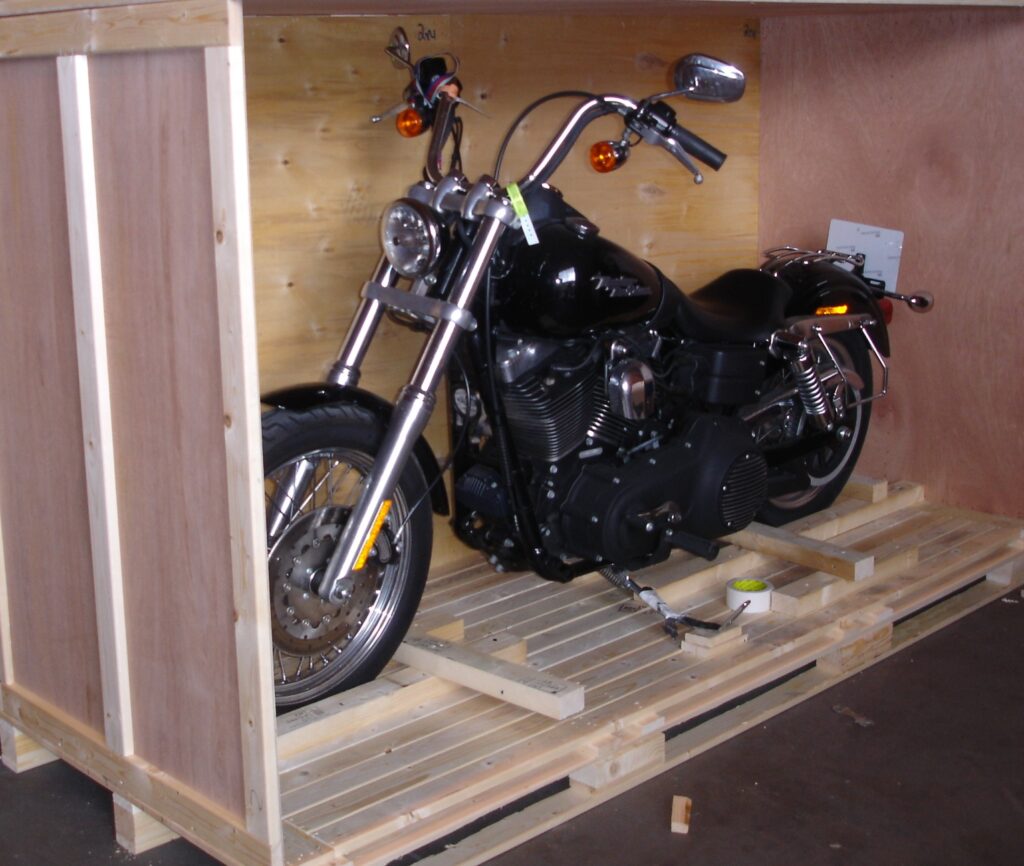
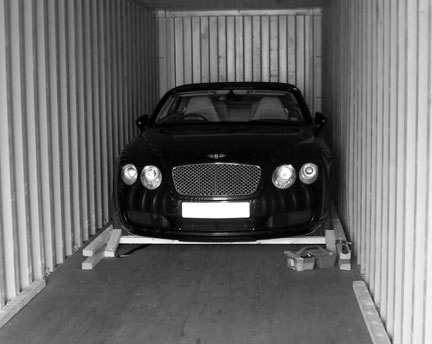
As a result, the vast majority of UK expats in Singapore do not ship their vehicle. Most use taxis, Grab (the regional ride-hailing platform), public transport, or company-provided vehicles.
If you have a specialist vehicle you wish to bring, vehicle import to Singapore is possible. Customs duty (20% of Open Market Value), Additional Registration Fee (ARF), COE, and other levies apply. A Singapore customs broker would need to advise on the specific cost for your vehicle.
Your move manager can arrange vehicle shipping if you decide to proceed. Confirm at the survey.
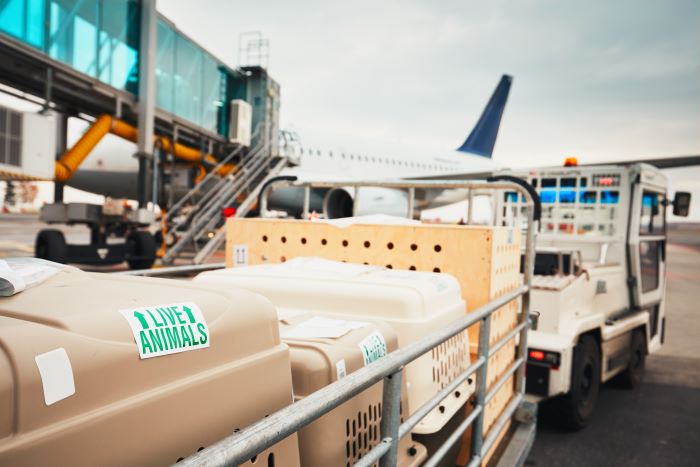
Singapore has strict pet import controls managed by the Singapore Food Agency (SFA). Cats and dogs from the UK are subject to mandatory quarantine on arrival.
Requirements for dogs and cats from the UK:
Because of the RNATT timeline and mandatory quarantine, pet relocation to Singapore needs to be planned several months before the move. Specialist pet relocators handle the process, your move manager can refer you to operators experienced on this route.
Generally permitted
Used personal effects, furniture, clothing, kitchenware, books, and personal electronics – eligible for GST relief and duty-free import for EP holders taking up residence, subject to the 3-month ownership condition covered in the customs section above.
Restricted – Must Be Declared, and Duty or GST May Apply
Prohibited or controlled
Singapore Customs inspects shipments selectively. A complete, accurate declaration is the only approach – do not understate values or omit dutiable items, and don’t assume an item is exempt just because it’s used; the GST relief conditions above must genuinely be met.
Ship when your EP application is submitted — not when it is confirmed. FCL transit takes 6–9 weeks, which means goods typically arrive shortly after EP confirmation if shipment is timed at application. Waiting for EP confirmation means living without your belongings for 6–9 weeks after arrival.
FCL: 6–9 weeks. Groupage: 9–14 weeks. Air freight: 7–14 days. Add 3–5 business days after port arrival for Singapore Customs clearance and delivery.
Groupage for a studio or one-bedroom volume starts from approx. £1,250. FCL for a three-bedroom household typically runs approx. £5,600–£8,000. Air freight for small, time-critical volumes starts from approx. £800. A survey gives you a fixed, written figure for your specific move and building access requirements.
Not on personal effects as an EP holder, provided you’ve owned them for 3 months or more and don’t dispose of them within 3 months of import — Singapore Customs assesses this via a Declaration of Facts. All goods must still be declared. Alcohol, tobacco, and vehicles are dutiable and GST-liable regardless of EP status.
Most UK professionals use an Employment Pass (EP), applied for by their employer. Minimum qualifying salary S$5,000/month as a general threshold in 2026.
Technically yes, but Singapore’s Certificate of Entitlement (COE) system adds S$80,000–S$150,000 on top of the vehicle’s value, and most UK expats don’t ship a vehicle at all. Your move manager can talk through the realistic total cost if you have a specific reason to bring one.
Your move manager can give you an accurate, written cost for your specific move after a survey – not a ballpark from a price list. Given how much building access and volume can shift the final figure on a Singapore move, that’s the step that actually tells you what your move will cost.
Real feedback from people who chose our international moving company.
“Relocating to Singapore was a big move for us, but the entire process was handled smoothly and professionally. We were kept informed throughout, and everything arrived safely and on time. It made settling into our new home so much easier.”
“Our move to Singapore was organised brilliantly from start to finish. The team were responsive, efficient, and handled every detail with care. Everything arrived in excellent condition, giving us real peace of mind throughout.”
“Moving to Singapore could have been overwhelming, but the support and communication we received made the whole experience seamless. The team managed everything professionally, and our belongings arrived exactly as expected.”