
Request a move quote
Last updated: May 2026
South Africa is a long-haul move with a specific set of customs requirements that differ from most other destinations. Two of them catch UK movers out more than any others: the 12-month ownership rule for duty-free import (most countries require 6 months, South Africa requires 12), and the cleaning requirement for outdoor goods, items that arrive with soil or organic material attached are held and fumigated at the owner’s cost.
Both are entirely manageable if you know about them before packing day. This guide explains what they mean and what the rest of the move process looks like.


Sea freight is the standard method for UK-to-South Africa household moves. The route runs south from UK ports, around the West African coast or via the Cape of Good Hope, to one of South Africa’s main commercial ports.
Groupage (shared container, LCL): Your goods share a container with other customers’ shipments. The most cost-effective option for volumes up to a 2–3 bedroom household. Transit time: 25–35 days port-to-port.
Full container load (FCL): A dedicated container, 20ft or 40ft, exclusively for your move. Transit time: 25–40 days port-to-port. The advantage is that your goods are sealed for the entire journey with no additional handling.
Cost ranges:
After port arrival, customs clearance typically adds 1–2 weeks. Delivery from the port to your address adds further time, depending on your destination. For planning purposes, allow 6–10 weeks from collection to delivery.

SARS is the South African Revenue Service, the authority that manages customs clearance for all goods entering South Africa.
Most countries apply a 6-month ownership rule for duty-free import of household goods (Transfer of Residence). South Africa applies a 12-month rule. To qualify for duty-free import under South Africa’s Transfer of Residence rebate, your household goods must have been:
New items are not covered. Items owned for less than 12 months, new furniture bought for the move, recent electronics purchases, new appliances, are subject to South African import duty and VAT. The duty rate varies by item category.
What documentation you need:
Your removal company’s in-country partner at Durban or Cape Town handles the SARS customs submission. Your move manager compiles the documentation pack with you before the shipment departs the UK. Incomplete inventories or insufficient proof of prior residency are the most common causes of customs hold-ups at the South African end.
This is the one detail that catches most UK movers off guard, and the one most removal guides mention only in passing.
South Africa has strict biosecurity regulations. The Department of Agriculture, Land Reform and Rural Development (DALRRD) prohibits the import of soil, plant material, seeds, and organic contamination in any form. These regulations exist to protect South Africa’s agricultural sector from foreign pests and diseases.
The practical implication: any item that has been outdoors, in a garden, or in contact with soil must be clean before it leaves the UK. This applies to:
What happens if items arrive unclean: SARS and DALRRD have the authority to hold items that show soil or organic contamination. The goods are held at the port, inspected, and fumigated or treated at the owner’s expense. This process typically adds 2–3 weeks to your delivery timeline and carries a fumigation fee that can run into hundreds of pounds.
What to do before packing day:
This is not a complicated process. The problem is always the same: people find out about it after the shipment has already left.
UK shipments to South Africa arrive at one of two main ports, depending on your destination:
Durban Port (east coast), the main commercial port for the Gauteng region. If you are moving to Johannesburg, Pretoria, Sandton, or anywhere in Gauteng Province, your shipment arrives at Durban. Road distance from Durban to Johannesburg is approximately 600km, allow 1–2 days for inland delivery after customs clearance.
Port of Cape Town, serves the Western Cape, including Cape Town itself, Stellenbosch, Franschhoek, and the Garden Route. Delivery from Cape Town port to the city is significantly shorter, same-day or next-day in most cases.
Your in-country partner manages port receipt, SARS customs submission, and inland delivery coordination. Your move manager tracks the shipment from the UK end and keeps you updated on port arrival and clearance status.
We always recommend speaking directly to the relevant embassy for the most accurate and up to date moving advice:
Johannesburg (Gauteng): South Africa’s largest city and economic hub. Financial services, mining, and professional services are the primary employment sectors for UK expats. Suburbs with significant expat communities include Sandton, Rosebank, Bryanston, and Fourways. Gated communities and secure estates are common.
Cape Town: The country’s most internationally known city. Popular with lifestyle movers, entrepreneurs, and those in tech, media, and creative industries. The Atlantic Seaboard (Sea Point, Green Point, Camps Bay) and the southern suburbs (Constantia, Newlands) are the primary expat areas. A 45-minute to 1-hour commute from the city centre is typical for the suburbs.
Durban: Coastal city in KwaZulu-Natal. Warmer climate than Johannesburg or Cape Town. Home to a significant Indian and international community. Less commonly chosen by UK expats but growing in the remote-working community.





If you’re moving to South Africa, it’s very likely you’ll need to exchange a significant amount of currency. Many people lose out by using their bank, assuming it’s the only option. However, there are specialist currency exchange providers that offer more competitive rates and can help you save thousands. To find out how to make your money go further during your move, speak to one of our move managers, click here, or give us a call: +44 20 7097 5335.
We always advise taking out move protection liability cover with us on every move. Although we like to think we’re the best in the industry, the odd accident can occasionally happen. For added peace of mind, make sure to speak to one of our move managers about this.
Vehicles can be imported to South Africa, but the process has specific rules.
Import duty: 25% customs duty plus South African VAT (15%) applies to imported vehicles. On a £15,000 car, total import taxes would exceed £7,000. Most UK expats sell their car before departure and purchase locally.
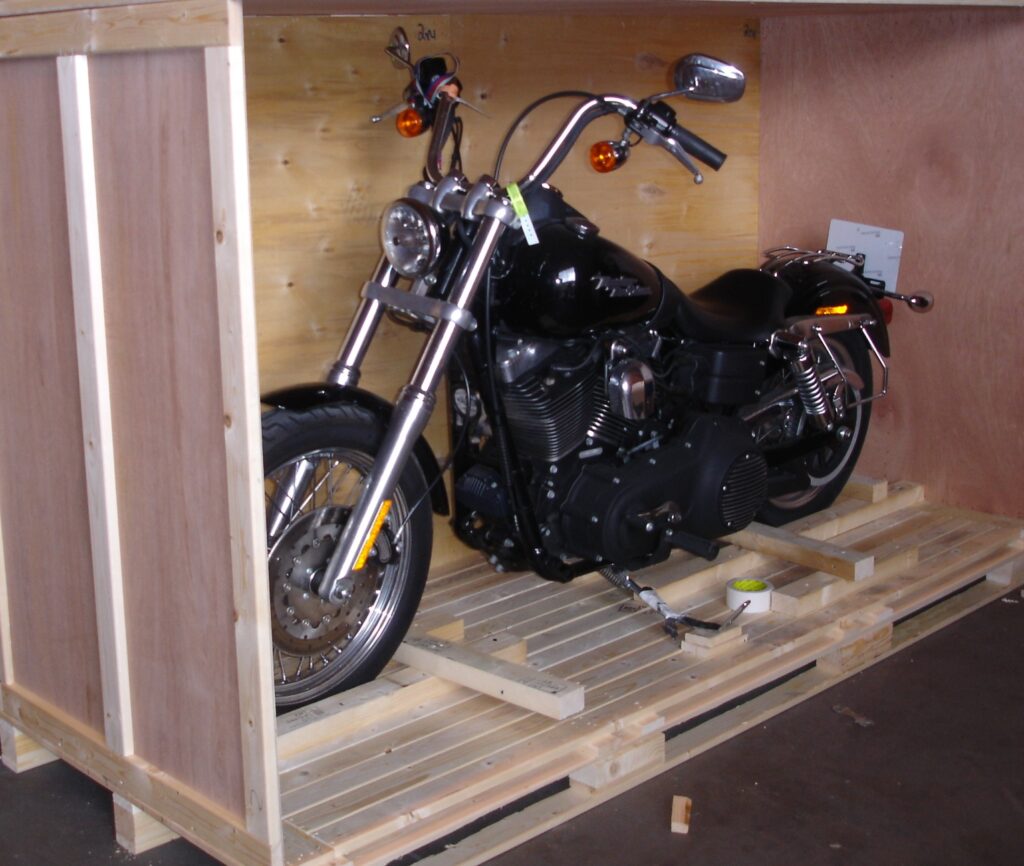
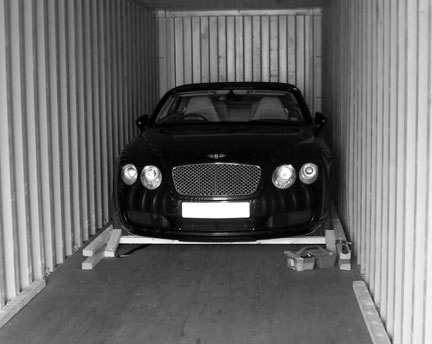
The rebate for returning residents: South African citizens or permanent residents returning to South Africa after living abroad for at least two years may qualify to import one motor vehicle duty-free under the Transfer of Residence rebate. This exemption has strict conditions; confirm eligibility with a South African customs broker before making arrangements.
South Africa drives on the left, same as the UK, UK right-hand drive vehicles are legal and practical.
Your move manager can arrange vehicle transport by container alongside the household removal. Confirm at the survey whether you plan to include a vehicle.
Cats and dogs can be imported to South Africa, but the process requires advance planning and an import permit.
Other animals, birds, reptiles, rodents have much stricter controls. Consult a specialist pet relocator well in advance.
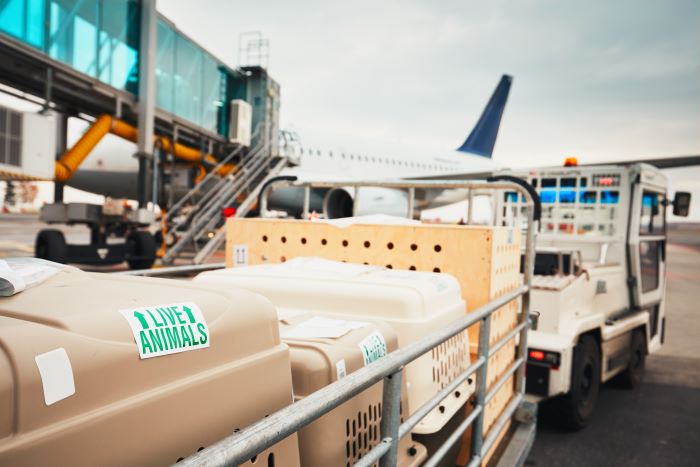
Specialist pet relocators manage the DALRRD import permit, health certificate coordination, and air transport. Your move manager can refer you to operators experienced on the UK–South Africa route.
25–42 days port-to-port. Customs clearance adds 1–2 weeks. Allow 6–10 weeks from collection to delivery as a planning timeline.
12 months, stricter than most countries. Items owned for less than 12 months are subject to import duty and VAT.
South Africa’s biosecurity regulations prohibit the import of soil and organic material. Items that arrive unclean are fumigated at the owner’s cost, with a 2–3 week delay and a significant fee attached. Clean everything outdoors and photograph it before packing.
Durban for Gauteng and inland destinations; Cape Town for the Western Cape. Your in-country partner manages port receipt and customs clearance.
Groupage from £2,000–£3,500 for a 1-bedroom volume; FCL from £4,500–£7,000 for a 3-bedroom household.
Your move manager can run through the cleaning checklist and documentation requirements before packing day. The customs process in South Africa is manageable, but the 12-month rule and the cleaning requirement are both worth knowing about before anything gets packed.
Real feedback from people who chose our international moving company.
“My move was way less stressful than expected! GMS packed everything, stored it for a week, and moved it all to my new home just as promised!”
“Our move to South Africa was organised efficiently from start to finish. The team kept us updated every step of the way, handled all the logistics seamlessly, and ensured our belongings arrived in perfect condition.”
“Moving to South Africa felt like a huge undertaking at first, but the support we received made the experience straightforward and well managed. Every detail was handled carefully, and the service throughout was exceptional.”